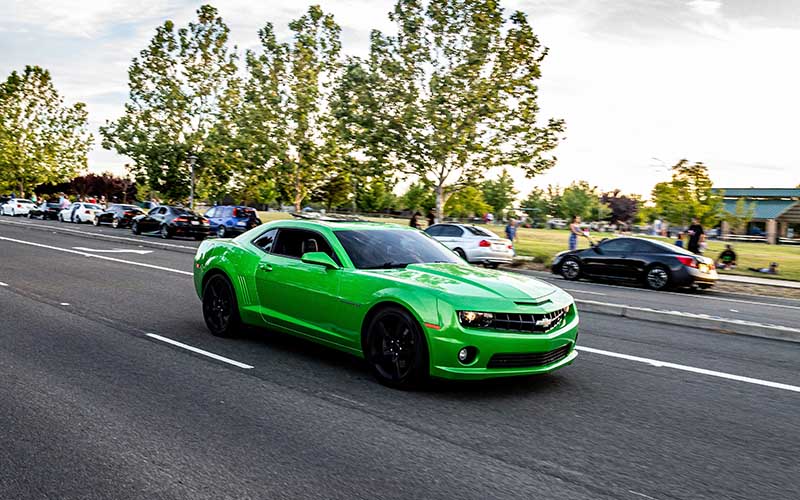
A used Camaro can look spotless from a few feet away while hiding expensive problems beneath its paint, glass and interior trim. A careful inspection should go beyond checking mileage and taking a quick test drive. Bring a flashlight, inspect the car in daylight and allow at least 30 minutes before discussing price. Used car inspection tips offer a useful starting point, but Camaros also have model-specific areas that deserve a closer look.
Hidden Frame Stress Signs
Start beneath the car and around the engine bay, looking for rippled metal, uneven seams or fresh coating applied to isolated areas. Overspray on plastic clips and suspension parts can reveal previous body repairs. Compare the gaps around the hood, doors and trunk lid. A gap that narrows from one end to the other may point to poor alignment or underlying movement.
Check the tires as well. Heavy wear on one inside edge can indicate an alignment problem connected to worn components or earlier damage. Review the vehicle’s records and use this guide to checking for frame damage history before arranging an independent inspection.
Checking Seals and Surrounding Trim
Run your fingers along the rubber seals around the windshield, side windows and trunk opening. Look for brittle sections, lifted corners or traces of adhesive. Water marks on the headliner and a musty smell inside the cabin can indicate a leak that has persisted for months.
Inspect the trim from several angles because uneven molding may reveal rushed glass or body-work. If you find a spreading crack, loose seal or signs of moisture, ask a qualified glass technician to assess it before purchase. For buyers around Tamworth, a service specializing in windscreens can inspect damage and advise whether repair or replacement is appropriate.
Assessing Chips Across Used Windscreens
Clean glass can still hide small chips, so view the windshield from inside and outside with the light coming across it. Pay close attention to the driver’s viewing area and the dark border near the edges. Damage close to an edge can place extra stress on the glass, while several repaired spots may suggest frequent road debris exposure.
Also check whether camera-based driver assistance features are fitted near the rearview mirror. Replacing the windshield may require recalibration of those systems. Consumer Reports’ used car inspection guide recommends examining glass for cracks and checking that windows operate correctly. Record every defect so it can be included in your repair estimate.
Evaluating Cockpit Wear and Electronics
Interior wear should broadly match the odometer reading. A low-mileage Camaro with polished pedal surfaces, a worn steering wheel rim and sagging seat bolsters deserves further investigation. Test both seat mechanisms, every window switch and the trunk release. Confirm that the air conditioning changes temperature quickly and that air flows from each selected vent.
Start the car from cold if the seller allows it. Watch the instrument panel to confirm warning lights illuminate briefly and then switch off. Pair a phone with the infotainment system, test the speakers and try every available drive setting. Intermittent screens, failed cameras and power-seat faults can turn into costly diagnostic work.
Budgeting for Immediate Repairs
Separate cosmetic flaws from items that affect safe daily use. Tires, leaking seals, damaged glass and warning lights belong near the top of the repair list. Obtain written estimates before agreeing on a price because a collection of modest faults can quickly erase the value of a seemingly attractive deal.
Create three totals: work needed immediately, maintenance due within six months and optional cosmetic improvements. Include fluid service, alignment and a second key if any are missing from the sale. Keep part of your budget uncommitted for issues discovered after several days of driving. If the seller refuses an independent inspection or won’t allow enough time to check the car carefully, keep looking.
A solid purchase should withstand close inspection in daylight, a cold start and a review by an independent technician. Take photos of questionable seams, glass damage and dashboard warnings so you can compare professional estimates before signing anything.