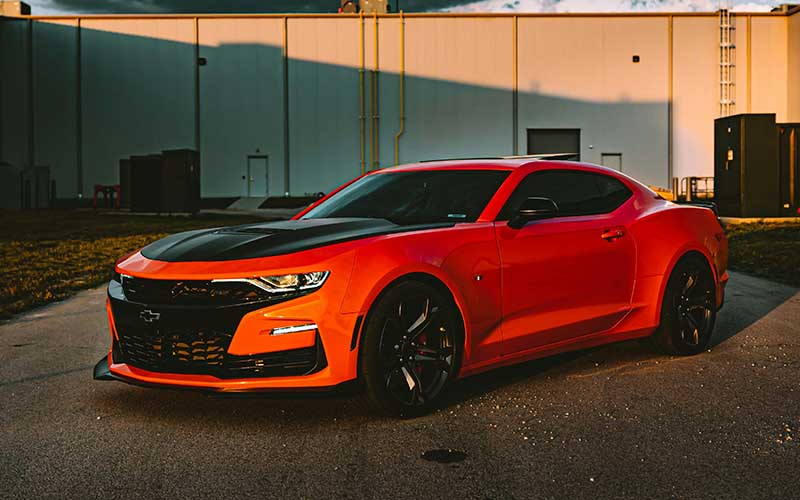
The sixth-generation Chevrolet Camaro, produced from 2016 through 2024, is widely regarded as a capable modern muscle car. With rear-wheel drive, powerful V6 and V8 engines, and a sophisticated chassis, the Camaro can deliver everything from comfortable daily driving to serious track performance. However, like any performance car, it has a number of components that can develop problems as mileage increases.
Some issues are more common than others, and the likelihood of failure depends heavily on the engine, transmission, driving style, maintenance history, and model year. Here are five areas worth paying particular attention to when owning or shopping for a sixth-generation Camaro.
1. Automatic Transmission Problems
One of the most discussed mechanical issues on sixth-generation Camaros involves the automatic transmissions, particularly the 8-speed automatic used in many V6 and V8 models.
The 8L45 and 8L90 automatic transmissions have been associated with shuddering, hesitation, harsh shifts, and inconsistent shift quality. The most recognizable symptom is a vibration or shudder under light acceleration, often feeling somewhat like driving over a series of small rumble strips.
In many cases, the problem has been associated with transmission-fluid characteristics and clutch operation rather than an immediately catastrophic transmission failure. Chevrolet issued service procedures and fluid-related fixes for affected vehicles.
That doesn’t mean every Camaro with an 8-speed automatic will develop a serious problem. However, prospective buyers should pay attention during a test drive. A transmission that shudders under gentle acceleration, shifts violently, or behaves inconsistently deserves further investigation.
Manual-transmission Camaros avoid this particular automatic-transmission issue, although their clutches and other drivetrain components can obviously wear with mileage and aggressive driving.
2. Cooling System and Radiator Issues
Performance cars generate substantial heat, and the Camaro is no exception. The cooling system contains several components that can eventually develop leaks or failures.
Radiators, hoses, water pumps, thermostats, and auxiliary cooling components can all become potential trouble spots as the car ages. The problem is particularly relevant on higher-performance versions such as the SS and ZL1, which can produce considerably more heat during spirited driving or track use.
A cooling-system problem may begin with something as simple as a small coolant leak. If ignored, however, low coolant levels can lead to overheating and potentially expensive engine damage.
When inspecting a used Camaro, check the coolant level and look around the radiator, hoses, water pump, and connections for signs of dried coolant residue or fresh leaks. An unusual coolant smell after driving is another reason to investigate.
The cooling system is especially important on modified cars. Additional power, forced induction, aggressive tuning, or frequent track use can increase thermal stress considerably.
3. Suspension Bushings and Components
The sixth-generation Camaro has an excellent chassis, but its sophisticated suspension contains numerous rubber bushings, links, joints, and other wear components.
As mileage accumulates, suspension bushings can deteriorate. Symptoms can include clunking noises over bumps, vague steering, uneven tire wear, or changes in how the car feels during acceleration and braking.
This can be more noticeable on cars equipped with performance suspension packages or those that have spent considerable time driving aggressively. Track use puts substantially more stress on suspension components than ordinary commuting.
The good news is that suspension wear is generally more manageable than a major engine or transmission failure. However, replacing multiple worn components can still become expensive, particularly if several parts have reached the end of their service life at the same time.
A used Camaro should therefore be driven over different types of roads during an inspection. Listen for knocking or clunking sounds and pay attention to whether the vehicle tracks straight and feels stable through corners.
4. Electrical and Infotainment Problems
Modern Camaros contain considerably more electronics than older muscle cars, which means there are also more electronic components capable of developing problems.
Owners can encounter issues involving infotainment systems, cameras, sensors, electrical connections, switches, and various warning lights. Some problems are relatively minor, while others can be frustrating to diagnose because intermittent electrical faults aren’t always easy to reproduce.
The infotainment system should be thoroughly tested when buying a used Camaro. Check the touchscreen, Bluetooth, Apple CarPlay or Android Auto, backup camera, steering-wheel controls, audio system, and other electronic functions.
Don’t overlook the gauges and warning lights, either. A vehicle that has unexplained warning messages or intermittent electrical faults may require more diagnostic work than initially expected.
Battery condition is also worth considering. A weak or aging battery can cause strange electronic behavior in modern vehicles, so not every electrical problem necessarily indicates a failed module or wiring harness.
5. Oil Leaks and Engine-Related Wear
The Camaro’s engines are generally capable powerplants, but oil leaks and normal wear can become increasingly common as mileage rises.
Depending on the engine, potential leak points can include valve covers, oil pans, seals, gaskets, and other connections. A small oil leak isn’t necessarily a sign that the engine is failing, but it should still be identified and monitored.
The 6.2-liter LT1 V8 found in the Camaro SS is particularly important to inspect carefully because repairs to a high-performance V8 can become expensive. Buyers should look for excessive oil consumption, unusual engine noises, poor idle quality, smoke, or evidence of neglected maintenance.
Cars that have been heavily modified or repeatedly driven hard deserve additional scrutiny. Performance modifications aren’t automatically a problem, but poor-quality tuning, excessive heat, and hard launches can accelerate wear throughout the engine and drivetrain.
Regular oil changes are particularly important for any Camaro, especially one that sees spirited driving. Maintenance history can tell you far more about the likely condition of a used example than mileage alone.
The sixth-generation Chevrolet Camaro is not inherently an unreliable car. In fact, many examples can accumulate substantial mileage with relatively few major problems when properly maintained. The key is understanding which components deserve attention as the car gets older.
The automatic transmission, cooling system, suspension, electronics, and engine/oil-leak areas are five good places to start when inspecting a used sixth-generation Camaro.
More importantly, condition varies enormously between individual cars. A well-maintained, mostly stock Camaro with a documented service history can be a very different ownership proposition from a heavily modified car that has spent years being driven aggressively.
If you’re buying one, a professional pre-purchase inspection is money well spent. A mechanic familiar with GM performance vehicles can identify leaks, suspension wear, transmission symptoms, and other problems that may not be obvious during a short test drive.