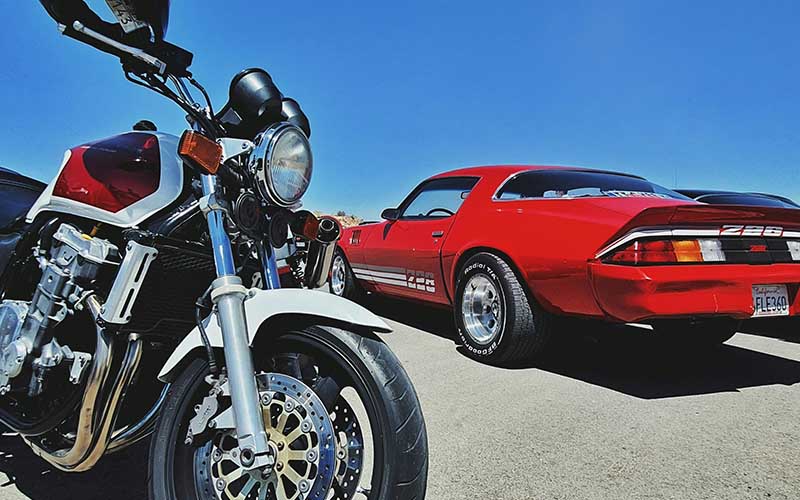
A well-planned garage can give a classic muscle car and a heavyweight motorcycle equal billing without feeling crowded. Both machines bring their own character to weekend drives, yet they also have different storage, maintenance, and access needs. The best setup celebrates that contrast while keeping every vehicle ready to roll. Start with the experiences you enjoy most, then shape the space and your future purchases around them.
The Passion for Domestic Horsepower
American muscle cars have a presence that goes beyond straight-line performance. Long hoods, broad bodywork, and unmistakable exhaust notes turn even a short Sunday drive into an occasion. Personal touches can sharpen that identity. A period-inspired wheel design may suit a restored coupe, while a larger modern setup creates a more dramatic profile, as shown by this 2010 Dodge Challenger.
Before changing anything, decide how you’ll use the car. Frequent highway trips call for a comfortable ride and dependable cooling. Local cruises may leave more room for aggressive suspension settings or show-focused detailing. Keep records for every upgrade, including part numbers, installation dates, and alignment specifications. That folder becomes especially useful when troubleshooting a new sound or preparing the car for sale.
Two Wheels versus Four on Open Pavement
A motorcycle changes the pace of a weekend outing. It takes less room, feels more connected to the road, and can turn a familiar route into a fresh experience. A car offers weather protection, passenger space, and enough storage for longer trips. Many enthusiasts find that the two formats complement each other instead of competing for attention.
Choose a motorcycle based on fit and intended mileage. Touring models favor long-distance comfort, while lighter models can feel easier to handle around town. If you’re comparing pre-owned options, a keyword in the search bar like used Harley near me can help you review available styles before deciding which size and riding position suit you. Sit on several models, check service records, and budget for protective riding equipment, registration, and scheduled maintenance before committing to a purchase.
Expanding Your Weekend Fleet
Adding another vehicle works best when it fills a real gap. Perhaps the muscle car handles local shows while a touring motorcycle covers solo day trips. Set a yearly mileage estimate for each machine and calculate insurance, tires, fluids, and routine service. A vehicle driven 1,500 miles per year still has calendar-based maintenance needs, so low mileage doesn’t eliminate ownership costs.
You can also sketch possible garage layouts before shopping. Enthusiasts who enjoy miniature displays may recognize the appeal of the Ultimate Garage and the creative organization behind a Hot Wheels garage. Apply that same visual thinking at full scale. Mark vehicle footprints on the floor with painter’s tape, then test door clearance, walking paths, and access to shelves before bringing home another ride.
Storage and Tooling Considerations
Give each vehicle a defined parking position and enough room for routine checks. Place the car where its doors can open fully, then keep the motorcycle on stable flooring with clear access to the exit. Avoid storing boxes near tires or around areas that need regular inspection. Bright overhead lighting helps, but portable work lights make it easier to see beneath body panels and around lower components.
Organize tools by task. Keep detailing supplies together, store tire equipment near the garage door, and place frequently used hand tools at waist height. A battery maintainer can support vehicles that sit for several weeks, while drip trays help reveal small fluid leaks early. Check tire pressure monthly and follow the manufacturer’s storage guidance. Good ventilation and a clean floor also make maintenance more pleasant, which means small jobs are less likely to be postponed.
The final arrangement should let you choose a vehicle without moving half the garage first. Leave a clear route to the door, keep the keys organized, and make sure each machine can be prepared for the road in a few minutes. That’s when a mixed garage starts working as well as it looks.