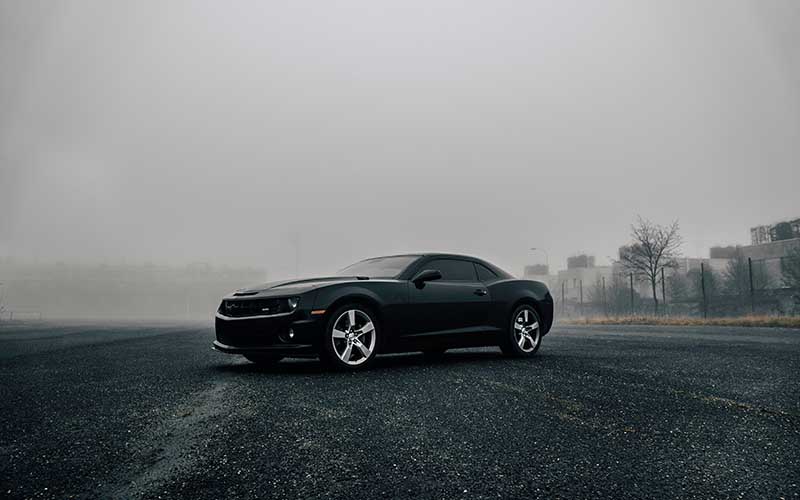
The fifth-generation Chevrolet Camaro, produced from 2010 to 2015, remains one of the most popular modern American muscle cars. With aggressive styling, powerful engine options, and excellent performance potential, it offers an appealing combination of everyday usability and track-ready capability. Whether equipped with the 3.6L V6, the 6.2L V8 in the SS, or the supercharged 6.2L V8 in the ZL1, the fifth-gen Camaro has plenty to offer enthusiasts.
However, like any performance car, it has several known weak points. Age, mileage, driving habits, and maintenance history all influence reliability, but certain components deserve extra attention when buying or maintaining one.
Here are five common problems to watch for on a fifth-generation Camaro.
1. Timing Chain Problems on the 3.6L V6
One of the most widely discussed mechanical issues affecting early fifth-generation Camaros is timing chain wear on the 3.6L V6 engine, particularly the earlier LLT-equipped models.
The timing chain keeps the crankshaft and camshafts synchronized, allowing the engine’s valves to open and close at the correct time. When the chain stretches beyond its intended operating range, engine timing can become inconsistent, potentially triggering warning lights and affecting performance.
Common symptoms include:
A rattling noise during startup, particularly when the engine is cold.
A check engine light with camshaft or crankshaft timing-related codes.
Rough idling, reduced power, or poor acceleration.
Increased fuel consumption or difficulty starting.
In severe cases, excessive timing chain wear can lead to significant internal engine damage if left unaddressed.
Regular oil changes using the correct oil specification are important because the engine’s timing system relies on proper lubrication. Buyers considering an early V6 Camaro should check its maintenance records and investigate any history of timing chain replacement or timing-related fault codes.
Not every V6 Camaro will experience this problem, and later engine revisions differ from the earliest versions. Nevertheless, a pre-purchase inspection is worthwhile, especially for higher-mileage examples.
2. Automatic Transmission Issues
Automatic transmission problems are another area worth checking on a fifth-gen Camaro. Although many cars deliver years of reliable service, transmission behavior can deteriorate with age, neglected maintenance, heavy use, or aggressive modifications.
Depending on the model year and engine configuration, fifth-generation Camaros use different automatic transmission variants. Some owners report harsh shifting, delayed engagement, shuddering, or inconsistent gear changes.
Warning signs to look for include:
A noticeable jolt when shifting between gears.
Delayed engagement when selecting Drive or Reverse.
Shuddering during acceleration or steady cruising.
Unexpected slipping, flare-ups in engine RPM, or warning lights.
Transmission complaints should not automatically be attributed to a failed gearbox. Worn mounts, fluid condition, control-system issues, and torque converter problems can produce overlapping symptoms.
A test drive should include gentle acceleration, moderate throttle, and low-speed maneuvering. Pay attention to how smoothly the transmission shifts when cold and after reaching normal operating temperature.
Check the service history and confirm that any fluid servicing follows the correct procedure and specification for the particular transmission. If the car has been tuned or regularly launched hard, a professional transmission inspection is especially advisable.
3. Suspension Bushings, Struts, and Wheel Bearings
The Camaro’s relatively heavy body and performance-oriented suspension deliver confident handling, but suspension components naturally wear over time. This is particularly relevant for cars driven on rough roads, fitted with aftermarket lowering springs, or used for spirited driving.
Worn control arm bushings, ball joints, dampers, and wheel bearings can all affect ride quality and handling precision.
Typical symptoms include:
Clunking or knocking noises over bumps.
Steering that feels loose or less responsive.
Uneven tire wear.
Vibrations that change with road speed.
A humming or grinding noise from a wheel bearing.
A Camaro with worn suspension may still feel powerful and enjoyable to drive, but compromised handling can reduce stability and accelerate tire wear.
During an inspection, examine the tires for uneven wear and check for excessive play in the wheels. Listen for noises when driving over uneven surfaces and pay attention to whether the vehicle tracks straight under normal acceleration and braking.
Modified cars deserve additional scrutiny. Lowering springs, larger wheels, and aggressive alignment settings can increase stress on certain components or make existing wear more noticeable.
Replacing worn suspension parts can restore the Camaro’s handling characteristics, but diagnosing the source of a noise correctly is essential before buying replacement components.
4. Cooling System Leaks and Overheating
Cooling system problems become increasingly relevant as fifth-generation Camaros age. Hoses, seals, radiator components, thermostats, and water pumps can deteriorate, potentially resulting in coolant leaks or overheating.
High-performance versions, including the SS and ZL1, also generate considerable heat under demanding driving conditions. A healthy cooling system is therefore particularly important for cars that see track use or frequent hard acceleration.
Look out for these warning signs:
Coolant levels that repeatedly drop without an obvious explanation.
Coolant residue around hoses, the radiator, or the water pump.
Engine temperatures rising above their normal range.
A sweet smell after driving.
Visible coolant puddles beneath the vehicle.
Overheating should never be ignored. Excessive engine temperature can damage head gaskets and other internal components, turning a relatively straightforward repair into an expensive engine problem.
Check the coolant level only when the engine is completely cool, and never remove a pressurized cooling system cap while the engine is hot. If overheating occurs, stop driving as soon as it is safe to do so.
A pressure test can help identify leaks that are difficult to spot during a visual inspection. Before purchasing a Camaro, inspect the cooling system and verify that the engine maintains a stable operating temperature during a proper test drive.
5. Electrical Gremlins, Sensors, and Interior Wear
As fifth-generation Camaros age, electrical faults and interior deterioration can become increasingly common ownership annoyances. These issues are not always expensive, but intermittent faults can be frustrating to diagnose.
Depending on the vehicle’s condition and equipment, problems may involve window operation, door locks, switches, sensors, dashboard warning lights, or aging electrical connections.
Interior components also deserve attention. Frequently used buttons, trim pieces, seat upholstery, and other touch points can show wear, particularly in vehicles with high mileage or extensive daily use.
Common warning signs include:
Intermittent warning lights or unexplained fault codes.
Power windows or locks that operate inconsistently.
Infotainment or dashboard components that malfunction.
Broken trim clips, loose interior panels, or worn seat bolsters.
Battery drain or starting problems caused by an electrical fault.
Not every electrical problem originates from a failed sensor. A weak battery, poor ground connection, damaged wiring, or aftermarket accessories can create similar symptoms.
Before replacing components, have the vehicle’s battery and charging system tested and scan all relevant control modules for diagnostic trouble codes. This approach can prevent unnecessary parts replacement and help identify the actual source of the problem.
Pay particular attention to modified vehicles, as poorly installed stereos, lighting kits, remote-start systems, and engine-management equipment can introduce electrical issues.
The fifth-generation Chevrolet Camaro can be a dependable and rewarding performance car when properly maintained. Its biggest potential trouble spots depend on the engine, transmission, model year, mileage, and how the previous owner treated it.
When shopping for one, prioritize a thorough inspection over cosmetic appearance or mileage alone. Check the V6’s timing system history, evaluate transmission behavior, inspect suspension components, verify cooling system health, and test all electrical equipment.
A well-maintained Camaro with documented service history is generally a safer purchase than a neglected example with expensive modifications and unresolved warning lights.
With the right preventative maintenance and a careful pre-purchase inspection, a fifth-gen Camaro can deliver years of V8 or V6 muscle-car enjoyment without unnecessary repair bills.