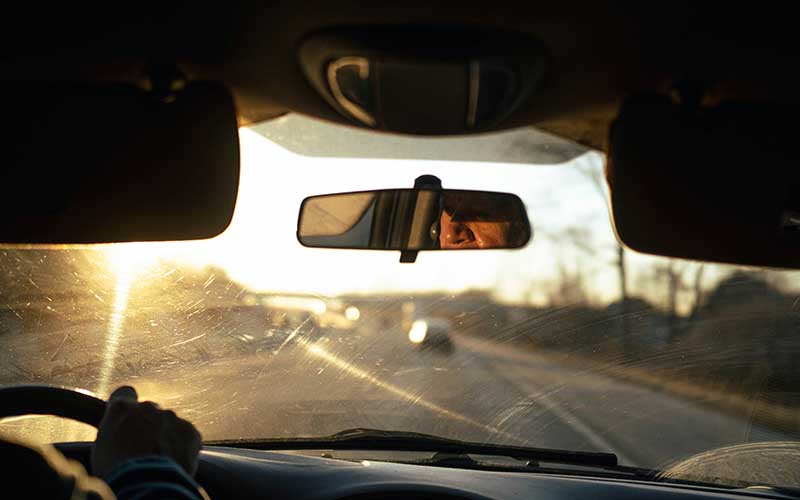
Minor glass pitting can slowly turn a clear daily view into a hazy, distracting one. The damage often develops so gradually that you adjust to it without realizing how much clarity you’ve lost. Tiny marks scatter light, hold grime, and reduce contrast through the glass. Once low sunlight or bright headlights hit the surface, those harmless-looking specks can become a genuine visibility problem.
Sand and Road Debris Add Up
Every commute exposes your vehicle’s glass to sand, dust, and small pieces of road debris. At highway speeds, even fine particles can leave microscopic divots. A single mark may be hard to see, but thousands of them create a worn surface that never looks fully clean.
Inspect the glass from outside in bright, indirect light. If it appears peppered after washing, the problem may be pitting rather than stubborn dirt. Deep individual chips may be repairable, while widespread surface damage can justify professional assessment and windscreen replacement. That assessment becomes more urgent when the affected area sits directly in your normal line of sight.
Dangerous Glare During Sunrise Drives
Pitted glass becomes especially troublesome during early morning and late afternoon drives. Low sunlight strikes each tiny depression and scatters across the surface, producing a pale veil that reduces your ability to see lane markings, pedestrians and vehicles ahead. Scratches, oily residue and worn wiper blades can make the effect worse.
AAA’s guidance on the dangers of driving into sun recommends keeping the glass clean, using the sun visor and increasing following distance. Practical sun glare precautions also include slowing down and avoiding direct visual focus on the sun. If glare remains severe on clean glass, pitting deserves closer inspection.
Microscopic Chips Weaken Glass Safety
Not every pit threatens the glass immediately. Shallow surface marks often remain cosmetic for a long time, but a deeper chip can concentrate stress in one small area. Temperature changes, vibration and another impact may then cause a crack to spread from that point.
Look for a visible dark spot, a small crater you can feel with a fingernail or fine lines extending from the center. Mark the location with a removable piece of tape on the inside so you can check whether it grows. Avoid pressing on the area or pouring very hot water over cold glass. Arrange an inspection promptly if the chip reaches the driver’s viewing area or starts developing branches.
Deciding Between Resin and Replacement
Resin repair works best on a localized chip that hasn’t collected much moisture or contamination. A technician cleans the damaged point, injects resin and cures it to help restore strength. Some visual evidence may remain, so the result shouldn’t be judged only by appearance.
Replacement is more likely when damage is extensive, located near an edge or spread across the viewing area as dense pitting. The number, depth and position of marks matter more than age alone. For a fuller explanation of the service process, review this guide to auto glass repair and replacement. A qualified technician can confirm which option suits the actual condition of your glass.
Protecting Your Long-Term Visibility
Wash the glass regularly with a clean microfiber cloth and an automotive glass cleaner. Replace wiper blades when they chatter, streak, or leave unwiped bands because hardened rubber can drag trapped grit across the surface. Keep washer fluid topped up so you don’t run dry wipers over dusty glass.
Following large vehicles at a generous distance also reduces exposure to debris thrown from their tires. Check the glass monthly from inside and outside, paying particular attention to the lower edge and the area swept by the driver-side wiper. If sunrise glare suddenly seems stronger on a familiar route, inspect the surface in daylight instead of assuming your eyes have simply become more sensitive.