
Are Chevrolet Camaro engines reliable? Different engines comparison here
Posted by admin at 16 January 2026, at 08 : 41 AM
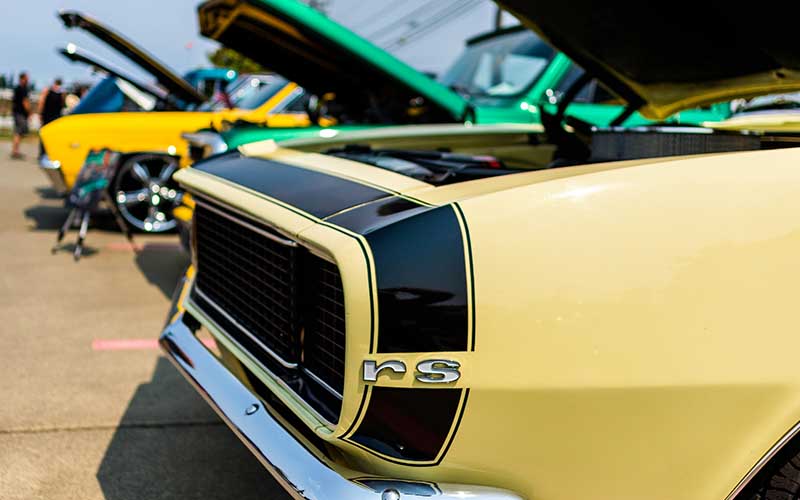
In general, Chevrolet Camaro engines are considered reasonably reliable overall, but the degree of reliability varies significantly by engine type, model year, maintenance history, and how the car was driven. Below is a structured evaluation of Camaro engine reliability based on expert reviews, owner reports, and common service concerns:
1. Overall Reliability Ratings
The Camaro’s overall reliability (including the engine) is rated around average to slightly above average for sporty coupes. RepairPal gives about 3.5 out of 5 stars, with moderate annual repair costs and relatively low frequency of major failures.
Some individual model years show wide variation in reliability scores (e.g., earlier sixth-gen vs later models, 2019 vs 2021).
2. V8 Engines (LS3, LT1, LT4)
LS3 (Fifth-gen SS, 2010–2015): Widely regarded as durable and robust, with relatively few serious issues beyond normal wear. Common minor faults include water pump leaks and occasional lifter/block concerns on AFM-equipped units.
LT1 (Sixth-gen SS, 2016–present): Builds on GM’s established small-block V8 reputation and is generally reliable in stock form. However, some owner reports indicate rare catastrophic failures (e.g., low-mileage bearing or oil starvation issues on late-production cars).
LT4 (supercharged V8): In high-performance ZL1 models, engine durability remains respectable with diligent maintenance, but complexity and stress levels are inherently higher.
3. V6 Engines
Earlier 3.6L V6 engines in older Camaros (especially 2010–2012) had timing chain wear problems, which could lead to severe engine damage if neglected.
Later 3.6L variants (LFX/modern V6) are generally reported as solid, especially with proper maintenance and oil service.
4. 2.0-Liter Turbo Four-Cylinder
The turbo four (LTG) in recent models runs satisfactorily in everyday use but carries typical direct-injection tradeoffs such as intake valve deposits and occasional wastegate noises. It is not inherently unreliable but less proven long-term compared to naturally aspirated V6/V8 engines.
5. Owner and Community Feedback
Many owners report engines lasting well past 100,000–200,000 miles with routine maintenance, particularly on V8 and later V6 units.
Enthusiast forums commonly suggest that cam-and-lifters (AFM) and proper maintenance are key to long life. Some individual cars show excellent reliability, while others with poor service history encounter issues sooner.
6. Common Engine-Related Issues to Watch For
Minor or maintainable concerns
Engine misfires or rough idle due to ignition/spark and carbon buildup on direct-injection engines.
Water pump, thermostat, and cooling system ancillaries that can lead to overheating if not serviced.
More serious but less common
Early fifth-gen V6 timing chain failures (2010–2012).
Rare reports of catastrophic LT1 failures linked to oil starvation/bearing issues on select late sixth-gen units.
AFM (cylinder deactivation) lifter problems in some V8s can require significant repairs.
7. Summary: Engine Reliability Verdict
Strengths
V8 engines (especially non-AFM LS3 and well-maintained LT1) are generally durable and capable of high mileage with appropriate service.
Later Camaros (2019 onward) show improved overall reliability and fewer widespread complaints compared to some earlier years.
Caveats
Some specific engines (early V6 timing chains; occasional direct injection turbo or AFM issues) warrant careful pre-purchase inspection.
Reliability hinges strongly on service history, maintenance adherence, and driving style.
Bottom line: Camaro engines are reasonably reliable within the sports-car segment and compare well to competitors when well maintained. However, variability by era and engine type means due diligence (inspection, maintenance records, test drive) is especially important when evaluating a specific car.