
How to be a good driver? Important tips to consider
Posted by admin at 16 January 2026, at 08 : 37 AM
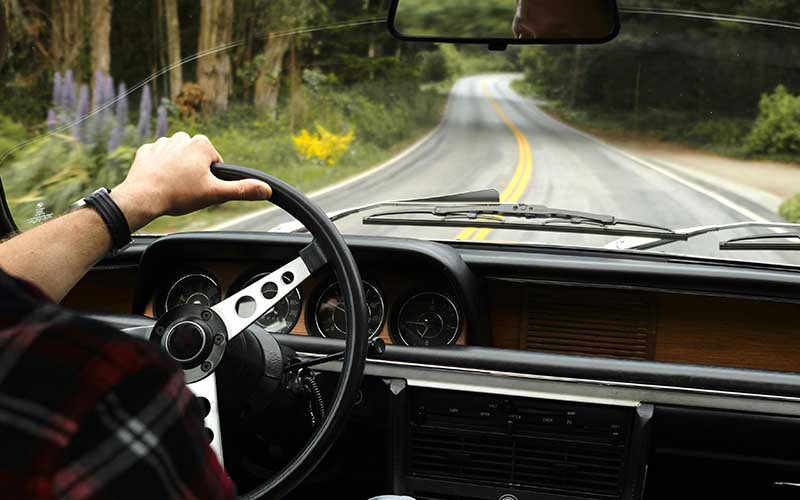
Being a good driver is a combination of technical skill, judgment, and attitude. The most reliable drivers are not those who are aggressive or fast, but those who are predictable, attentive, and disciplined. The guidance below is organized around those principles.
1. Master the Fundamentals
A good driver has full command of the vehicle at all times.
Maintain proper seating position, mirror alignment, and steering grip.
Use smooth inputs: gradual acceleration, controlled braking, steady steering.
Understand your vehicle’s behavior (braking distance, blind spots, turning radius).
Keep the vehicle well maintained (tires, brakes, lights, fluids).
2. Stay Fully Attentive
Attention is the most critical factor in safe driving.
Keep your eyes moving: scan far ahead, check mirrors regularly, and monitor intersections.
Eliminate distractions (phone use, excessive screen interaction, eating).
Drive defensively—assume other drivers may make mistakes.
Adjust focus based on conditions (traffic density, weather, time of day).
3. Follow the Rules Consistently
Traffic laws exist to create predictability, not inconvenience.
Obey speed limits and adjust speed for conditions, not just posted signs.
Yield properly and respect right-of-way.
Use turn signals early and consistently.
Stop fully at stop signs and red lights.
Predictable drivers are safer than “technically skilled” but unpredictable ones.
4. Maintain Safe Space
Space buys you time to react.
Keep a safe following distance (at least 2–3 seconds; more at higher speeds or poor conditions).
Avoid driving in other vehicles’ blind spots.
Leave escape routes when possible, especially in traffic.
5. Manage Risk Proactively
Good drivers anticipate problems before they occur.
Slow down near intersections, schools, and residential areas.
Be cautious around pedestrians, cyclists, and motorcycles.
Adjust driving for rain, fog, snow, or darkness.
Never drive impaired (fatigue, alcohol, drugs, strong emotions).
6. Communicate Clearly
Driving is a cooperative activity.
Signal intentions early.
Make eye contact with pedestrians and other drivers when appropriate.
Avoid aggressive gestures, horn misuse, or retaliatory behavior.
Let minor mistakes by others go; escalation increases risk.
7. Maintain the Right Mindset
Your attitude determines your consistency.
Be patient—arriving safely matters more than arriving quickly.
Stay calm under stress or traffic delays.
Accept responsibility for your actions rather than blaming others.
Treat driving as a task requiring continuous attention, not a routine background activity.
8. Continuously Improve
Even experienced drivers benefit from reflection.
Review close calls and identify what you could do differently.
Consider advanced or defensive driving courses.
Stay current on traffic laws and best practices.
In Summary
A good driver is safe, predictable, attentive, and courteous. Skill matters, but judgment and discipline matter more. If you consistently prioritize safety over speed or convenience, you are already driving well.